🚨 Two Habits That Can Lead to Kidney Failure at a Young Age
1. Regular fast‑food or ultra‑processed diet + sugary beverages
Frequently consuming fast food, processed meals, soft drinks or bubble tea — all high in sodium, preservatives, unhealthy fats, and sugar — can overload and damage the kidneys over time. These foods contribute to obesity, hypertension, and diabetes, which are leading triggers of kidney failure—even in younger individuals. Chronic exposure to heavy-metal-laden preservatives (e.g., lead, cadmium) can also cause inflammation in the kidneys. Reddit+10VnExpress International+10The Times of India+10
2. Inadequate hydration and holding in urine
Not drinking enough water leads to concentrated urine, toxin buildup, and risk of kidney stones. Holding urine for extended periods can fuel urinary tract infections, which may progress to the kidneys. Both behaviors lead to repeated stress and potential long-term damage. VnExpress International+1Times Bull+1
🩺 Why These Habits Are Especially Dangerous
-
Young kidneys are resilient but not immune—regular strain from poor diet or hydration can lead to early structural and functional damage.
-
Chronic diseases like hypertension and diabetes usually take years to manifest, but these lifestyle habits accelerate that process even before age 30. The Times of IndiaMedical XpressWikipedia
🧠 What You Can Do: Tips to Reverse or Prevent Damage
-
Stay well-hydrated: Aim for at least 2 to 2.5 liters of water daily. Avoid excessive sugary drinks. VnExpress InternationalThe Health SiteReddit
-
Limit processed and salty foods: Cook at home when possible, use herbs/spices instead of salt, and reduce fast food intake. Best Life+2cmhblr.com+2The Times of India+2
-
Avoid overusing painkillers or unregulated supplements: Regular, long-term use of NSAIDs (e.g., ibuprofen) or herbal remedies can be toxic to kidneys. Consult a doctor if you need ongoing relief. Medical Xpress+10VnExpress International+10cmhblr.com+10
-
Be active and maintain a healthy weight: Regular exercise (≥ 150 minutes/week) supports healthy blood pressure and blood sugar control. Best Life+15harleyhealthcentre.com+15The Times of India+15
-
Sleep and stress: Prioritize 7–8 hours of quality sleep nightly and manage stress to avoid hormonal and blood pressure spikes. VnExpress InternationalNational Kidney Foundationcmhblr.com
-
Avoid smoking and heavy alcohol use: Both cause vascular damage and reduce blood flow to the kidneys. Reddit+9VnExpress International+9The Times of India+9
-
Regular screening: Even young people with subtle symptoms should get annual blood tests (eGFR) and urine protein checks. Early detection makes a huge difference. The Times of India+2health.com+2The Times of India+2
📝 Summary Table
| Habit | Risk to Kidneys |
|---|---|
| Fast food / processed foods + sodas | High sodium, preservatives, obesity, toxins |
| Dehydration & holding urine | Stones, infections, concentrated toxins |
These can trigger obesity, hypertension, diabetes, infection — all of which directly harm kidney tissue and filtration ability.
✅ Bottom Line
Kidney damage isn't just an older adult concern—young people can be at risk too if they regularly eat junk food, stay dehydrated, or ignore healthy urinary habits. Proactive self-care—hydrating well, eating whole foods, staying active, managing stress, and getting checked regularly—can safeguard kidney function and help prevent serious issues before age 30.
Want guidance tailored to specific age groups, diet plans, or more physician‑verified protocols? Let me know!
Recently, the news of a young actress suffering from end-stage renal failure at the age of less than 30 has shocked many people. According to experts, renal failure is alarmingly getting younger.
Another typical case is a young man born in 1994, working as a carpenter in Hanoi, Vietnam. Previously, the patient was completely healthy but recently felt tired for a long time so he went for a health check. The results showed that he had end-stage renal failure. The doctor said that the patient was being prescribed medication to preserve the remaining kidney function, but the possibility of having to undergo periodic dialysis in the future was very high.
Another case is a second-year university student, just over 20 years old. Previously, the patient was healthy but suddenly fainted, was taken to the emergency room and was found to have end-stage renal failure. The patient confided that he often stayed up late, ate fast food, and did not exercise.
2 habits that increase the risk of kidney failure in young people
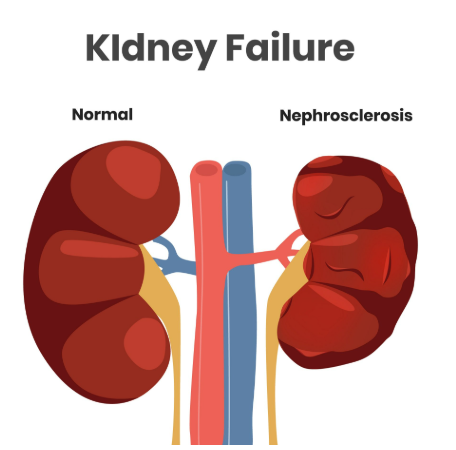
In the past, kidney failure often only appeared in the elderly, but now there are many factors that make this disease “rejuvenate” quickly. The doctor said that through practical treatment, there are two risk factors for kidney failure in young people, including:
– Unbalanced diet: Regularly consuming too much protein can lead to increased uric acid, causing gout, forming kidney stones, thereby damaging the urinary system and leading to kidney failure.
– Lack of exercise: Unscientific lifestyle, lack of exercise can cause weight gain, metabolic disorders – these are the underlying factors that cause kidney damage.
Don’t wait until symptoms appear to go to the doctor

According to the doctor, most young people only go to the doctor when severe symptoms appear and the kidneys have atrophied, requiring dialysis. Early detection is very difficult because in the early stages, kidney disease often progresses silently, without clear symptoms.
When clinical manifestations appear, most have progressed to the late stage. Many early warning signs are also easily confused with other internal diseases such as: bloating, loss of appetite (easily confused with signs of digestive diseases), dizziness, vertigo (easily confused with anemia).
Therefore, the best way to detect kidney disease early is to have a regular health check-up every 6 months. Young people, even if they feel healthy, should not be subjective and ignore regular check-ups.
In addition, to prevent kidney disease, doctors recommend that everyone should build a healthy lifestyle, eat a balanced diet, control weight and increase physical activity.