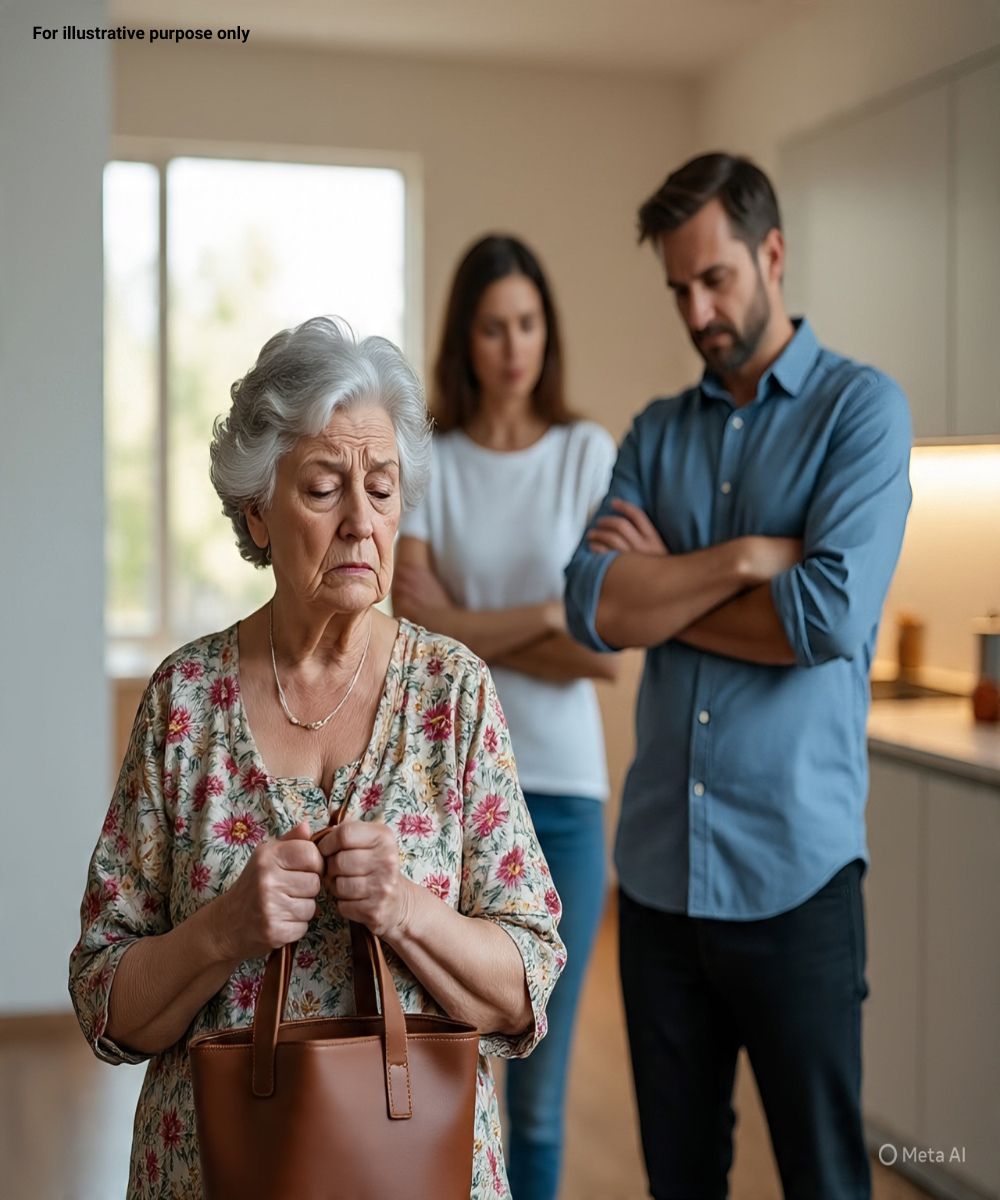
When I was 52 years old, I received a large sum of money. I was about to tell my son, but when I got to his bedroom door, I didn’t expect what I heard — they were talking about how they were going to get me kicked out.


I Thought I Got Lucky Finding a Spare Hotel Key in My Husband's Jacket – Until I Realized It Wasn't for Our Room
— A chilling discovery that changed everything.

We were halfway through what was supposed to be a romantic weekend getaway. Our first in years. The kind you plan months in advance—the nice hotel, dinner reservations, no kids, no work, just us. I remember packing with excitement, imagining laughter, long walks, and maybe even a bit of rekindled magic. For once, it felt like we were putting each other first again.

On the second night, I went back up to the room early. My husband had gone to grab drinks from the lobby bar, and I wanted to freshen up before dinner. I reached into his jacket to grab his wallet—we were going to split the bill—and that’s when I found it. A hotel key card, slightly bent at the edges, tucked deep inside the inner pocket.

At first, I smiled. How sweet, I thought. He must’ve gotten an extra key in case I lost mine. But then I looked at it more closely.

The number printed faintly in gold read 1018.

Our room was 918.

My stomach dropped.

I froze. A thousand thoughts rushed through my mind—innocent explanations, rational excuses. Maybe he picked it up by mistake? Maybe the hotel made an error? But something didn’t feel right. Not just the room number, but the way he hadn’t mentioned it. The way it was tucked in like a secret.

I sat there, staring at the card, heart pounding louder than I could breathe. Then, against every part of me that hoped I was wrong, I went down the hallway and found Room 1018.

I knocked.

No answer.

I stood there for what felt like years, battling myself. Then I slid the card into the lock.

Green light.

The door opened.

I stepped into a perfectly made room—fresh linens, two wine glasses on the counter, a silk robe tossed across the armchair. The kind of setting you'd expect for a romantic evening... but I hadn’t been there.

The air was thick with perfume. Not mine.

I didn’t have to see more to know. This wasn’t just a mistake. This was something else. Something I never thought I'd discover in a hotel hallway on what was supposed to be a healing weekend.

He came back to our room a little later, smiling like nothing was wrong. But I was already gone.

Because sometimes, it’s not the big fights or dramatic moments that break a marriage—it’s the small discoveries. The kind that unlock doors you never meant to open

I thought I got lucky finding a spare hotel key in my husband's jacket… until I realized it wasn’t for our room. 💔🔑 Some doors should never be opened—but once they are, nothing feels the same again.
#BrokenTrust #TruthRevealed #NotOurRoom #HotelHeartbreak #FoundTheKeyLostMyself

When I was 52 years old, I received a large sum of money. I was about to tell my son, but when I got to his bedroom door, I didn’t expect what I heard — they were talking about how they were going to get me kicked out. DETAIL:

When I Was 52, I Came Into Money — But What I Overheard Outside My Son’s Door Changed Everything

I was 52 when everything changed—at least, that’s how it started. After years of scraping by, living frugally, and silently carrying the weight of unpaid bills and quiet sacrifices, I received an unexpected inheritance from a distant relative I hadn’t spoken to in decades. It was a large sum. Life-changing, in fact. The kind of money that makes you exhale differently. I sat at the kitchen table that morning just staring at the check, hands trembling slightly, heart pounding with relief and disbelief.

I remember thinking, This changes everything. We’ll be okay now. I can finally breathe. I immediately wanted to tell my son. He and his wife had been living with me for over a year by that point—“just until we get back on our feet,” they said. And while things hadn’t been easy, I still believed in family. I thought we were a team. I thought they cared.

So I walked toward his bedroom to share the good news. I wanted to see the surprise on his face, the joy. I thought he’d hug me and say, “Mom, this is amazing. You deserve it.”

But I never made it through the door.

I stopped when I heard voices—his and hers. They weren’t whispering. They didn’t know I was coming. And what they were saying stopped me cold.

“…she doesn’t even realize how easy it’ll be,” she said.
“She’s getting old. She’s emotional. We’ll convince her she can’t handle the house on her own,” my son replied, voice low and casual, like they were discussing a chore.
“Once she’s out, we can fix it up, maybe even sell. That money will help. And with what she has saved, we’ll be set.”

My breath caught. I couldn’t move.

I stood there, frozen, listening to my own child—my flesh and blood—planning how to manipulate me, how to remove me from the very home I’d worked my whole life to build. Not with concern, not with love, but like I was an obstacle to their comfort.

I turned away quietly, went back to the kitchen, and sat down. The inheritance check still sat on the table, but now it felt heavier. Not like a blessing—but like a truth I hadn’t wanted to see.

That day, I didn’t tell my son about the money. Instead, I began to make quiet, intentional moves—financial protections, legal decisions, boundaries I never thought I’d have to draw. Because sometimes the biggest betrayal doesn’t come from strangers—it comes from the ones you raised, the ones you thought would never hurt you.


advertisement


It was a foggy morning in Sacramento.

The December sky hung low and gray. A chilly breeze slipped under the door of our modest home. I wrapped my worn flannel shawl tighter as I stood outside my son Matthew’s bedroom.

In my hands was a slim bank envelope—inside, a passbook showing a deposit of over $20,000. It was an inheritance from my late brother, who’d passed away in Phoenix. I planned to renovate the house, build a better room for Matthew’s family, and keep the rest for medical emergencies, just in case.

But instead of greetings, I overheard this:

For illustrative purpose only

“When is your mom leaving?” said his wife, Kayla, her voice edged with irritation. “She’s always around. This place is tiny. It’s awkward when guests are here and she’s just… there.”

“Kayla… she’s my mom. She has nowhere else to go,” Matthew said, unsure.


“When we got married, all she gave us was a used TV. And now we’re expected to adjust everything around her?”

“Let it go. I’ll find her a place. We can just send her money every month.”

My heart sank.

I had lived in California since leaving a small town in Nebraska thirty years ago. I raised Matthew alone after my husband died in a car crash. I cleaned houses, worked in diners, did laundry—anything to keep him in school. The house he lives in now? I paid for that, one sacrifice at a time, over two decades.


For illustrative purpose only

I thought old age would bring rest. Maybe some gratitude. Instead, in my daughter-in-law’s eyes, I was just an inconvenience.

I slipped the passbook back into my pocket. Quietly, I left. No words. No goodbyes. I felt like a shadow in my own life.

That night, I took a bus to Redding, where an old friend lived. I rented a tiny studio—just 150 square feet, but it had a window, potted plants outside, and, most importantly, peace.

I wasn’t angry. I didn’t hate them. But for the first time, I chose to live for myself.

That was the beginning of my new life.

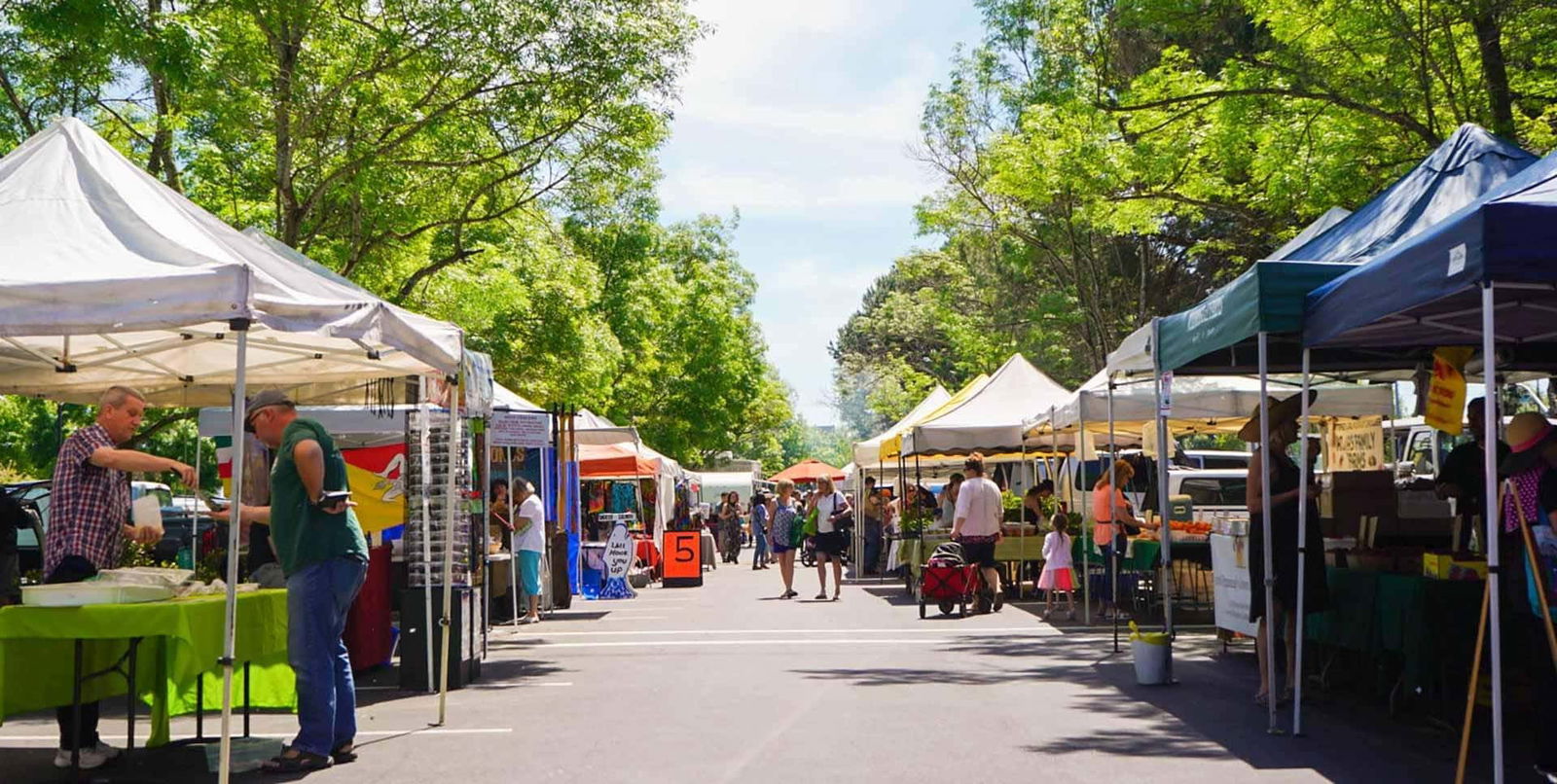
Each morning, I walked to the farmers’ market. I sipped coffee while watching dramas on YouTube. I joined a group of senior ladies for Zumba in the park. At noon, I’d read a mystery novel, and at night, I watched old Meryl Streep movies on DVD.

Quiet. Calm.
For illustrative purpose only

Matthew called once in a while. I didn’t answer. I got a few texts: “Mom, where are you?”—I deleted them. I didn’t want guilt. I didn’t want talk.

I’d already given my whole life. Now it was time to give something back to myself.

Two months went by.


Back in Sacramento, things started to shift.

Matthew grew quiet. Kayla softened. But the one most affected? My seven-year-old grandson, Liam.

He stopped laughing. He barely ate. And every morning, he asked:

“Where’s Grandma?”

Matthew and Kayla had no answers. But the truth was—he felt the emptiness.

Gone was the hand that patted his shoulder at bedtime. Gone was the voice that whispered, “Say your prayers, sweetheart.” Gone was the only presence that never judged, never asked for anything, and was always there.

One day, Matthew couldn’t take it anymore. He drove to Nebraska to find my cousin, Irene. There, he confessed:

“Aunt Irene… I failed her. I didn’t stand up for Mom.”

Irene just nodded and handed him a photo of me—wearing sandals and a floral dress, smiling as I danced with other senior ladies in the park. “She’s happy now. Finally.”

The next day, he found my apartment. Outside, there were geraniums in tin cans. A towel drying on a makeshift clothesline. The smell of burnt toast lingered.


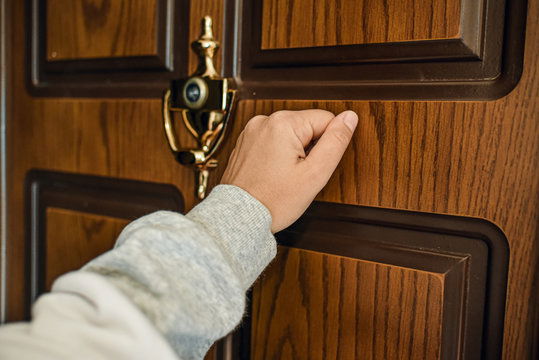
Knock, knock.


For illustrative purpose only

I opened the door, holding a soup ladle.

I froze. “Matthew…”

He didn’t speak right away. Tears welled in his eyes.

“Mom… I’m sorry. Please come home. Kayla and I—we’re so sorry.”

I didn’t reply. I turned and poured tea into two mugs. He sat on the bench by the wall. We sat in silence.

“I’m not angry,” I finally said. “But right now, I belong here.”

“Why, Mom?”

I looked him in the eyes. Calm, but resolute:

“Because I finally learned to love myself. And I’m not giving that up.”


A week later, Liam came to visit. He hugged me tightly.

“Grandma, you’ve been gone forever. Please don’t go away again.”

I stroked his hair. He spoon-fed me his favorite mac and cheese.

From then on, every weekend, Matthew brought Liam to visit. Sometimes Kayla came, too. She helped with the dishes. We weren’t close yet—but we were trying. And that was enough.



For illustrative purpose only

One day, Matthew called.

“Mom, I made chicken pot pie. Want some?”

I smiled. I hadn’t said yes. But for the first time, it felt like more than guilt—it felt like real care.

The money? It’s still in the bank. I never spent it out of spite. I saved it as a promise to myself. Because now I understand:

Love isn’t endless giving. It deserves recognition, kindness, and healthy boundaries.

And this time, I won’t disappear to be appreciated.


advertisement