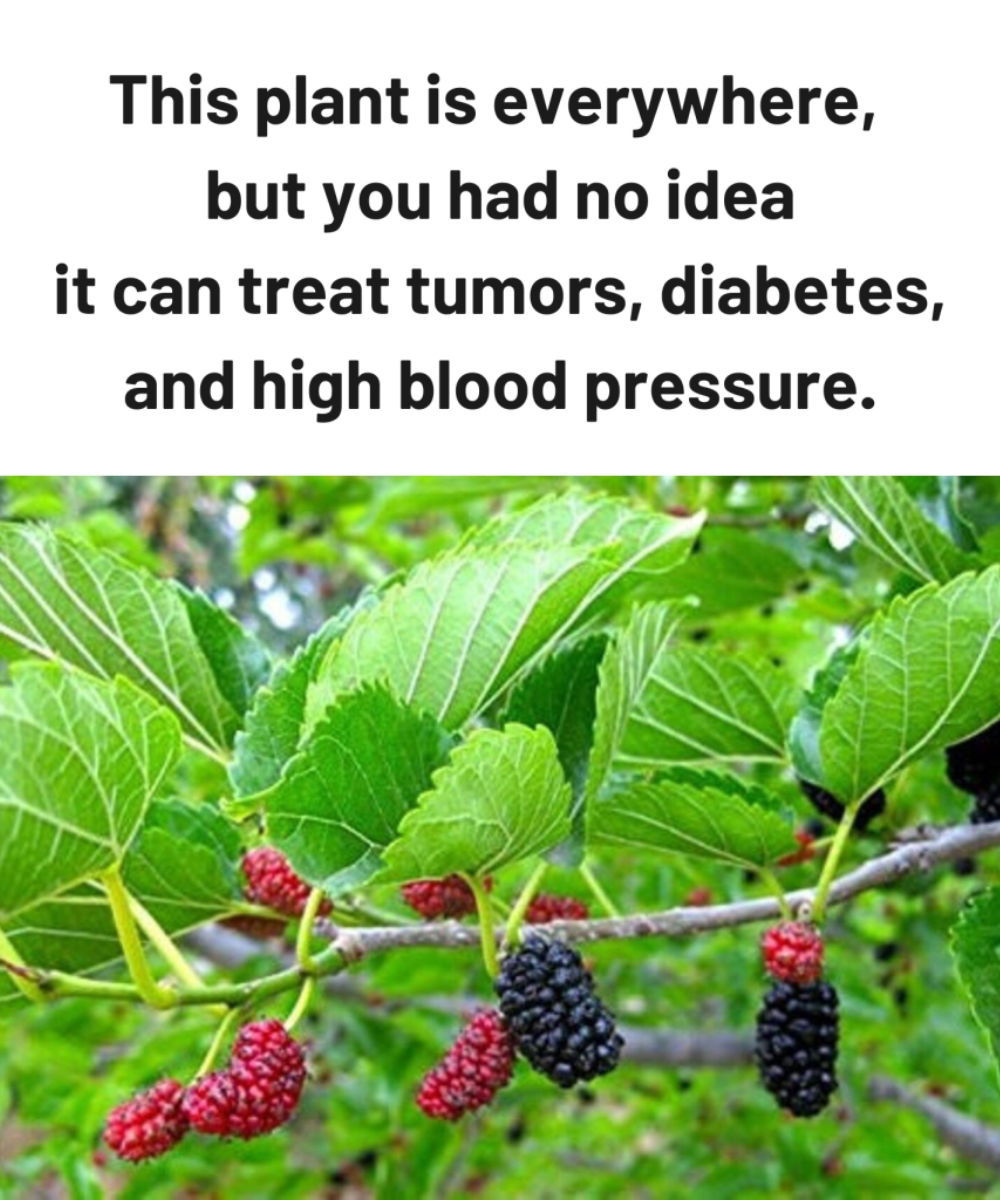
Absolutely—many common plants hide surprising medicinal properties. One such plant is Periwinkle (Catharanthus roseus), often found growing ornamentally in gardens, on roadsides, and in tropical yards. Though admired for its pink or white flowers, this humble plant has a powerful secret: it's been traditionally used and scientifically studied for treating tumors, diabetes, and high blood pressure.
🌿 Periwinkle: The Medicinal Powerhouse Hiding in Plain Sight
✅ 1. Tumor-Fighting Abilities
The periwinkle plant contains vincristine and vinblastine, two alkaloids that have revolutionized cancer treatment. These compounds are chemotherapy agents that work by stopping the growth of cancer cells.
-
Vincristine is used in the treatment of leukemia, lymphomas, and some solid tumors like Wilms’ tumor.
-
Vinblastine is effective against Hodgkin’s disease, breast cancer, and testicular cancer.
These powerful medications are derived directly from the plant, making Periwinkle one of the most important botanical sources of modern chemotherapy drugs.
🧪 Fun Fact: The discovery of these alkaloids in the 1950s marked a major breakthrough in oncology, saving countless lives worldwide.
✅ 2. Regulating Blood Sugar Levels (Diabetes)
In traditional medicine, especially in parts of India, Africa, and the Caribbean, periwinkle leaves have been used to control blood sugar.
-
They contain compounds that help stimulate insulin production and improve glucose uptake.
-
Some studies suggest aqueous extracts of the leaves may significantly reduce fasting blood glucose in people with Type 2 diabetes.
However, it's important to note that while traditional use is promising, more rigorous clinical trials are needed to confirm safety and dosage.
✅ 3. Lowering High Blood Pressure
Periwinkle is also known to contain reserpine-like alkaloids, which can act as vasodilators (relax blood vessels), thus helping lower blood pressure.
-
The alkaloids can inhibit certain neurotransmitters, which reduces the tension in blood vessel walls.
-
As a result, they improve blood flow and reduce the workload on the heart.
In some traditional systems of medicine, a tea made from periwinkle leaves is used to treat hypertension and migraines.
⚠️ Important Caution
Despite its amazing medicinal potential, periwinkle is not a plant to self-medicate with.
-
The active compounds can be toxic if not dosed correctly.
-
Improper use may cause nausea, low blood pressure, nerve damage, or organ toxicity.
-
Always consult with a doctor or qualified herbalist before using any plant-based treatments—especially for serious conditions like cancer or diabetes.
🌸 In Summary
That small flowering plant you often walk past or grow in your front yard could be a life-saving botanical marvel. Periwinkle isn’t just beautiful—it’s a globally recognized source of cancer medication, a traditional diabetes remedy, and a potential natural aid for high blood pressure.
Nature truly holds powerful remedies, and sometimes, the most potent ones are hiding in plain sight.
You might pass by a white mulberry tree without a second glance, but this unassuming plant carries remarkable health benefits.
Research has shown that white mulberry can help manage blood sugar, promote heart health, and may even play a role in cancer prevention.
A Plant with Deep Roots in History
White mulberry was brought to the U.S. during colonial times in an attempt to kickstart a domestic silk industry.
While the silk trade never fully developed, the tree adapted well to various climates and can now be found throughout North America and other temperate zones.
Beyond its use in silk production, the tree’s strong, durable wood has long been used for items like boats, sports equipment, and furniture.
However, the true value of white mulberry may be found in its leaves and berries, which are rich in beneficial nutrients and compounds.
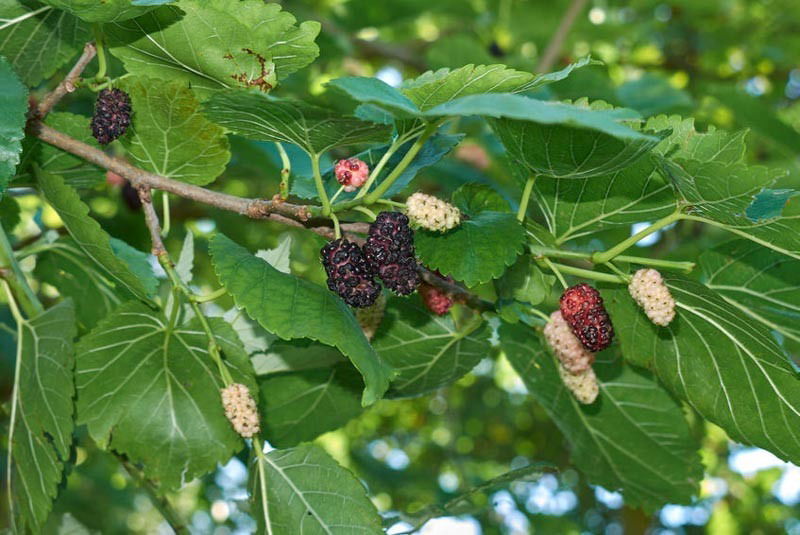
Key Health Benefits of White Mulberry
1. Helps Stabilize Blood Sugar
One of the most well-known benefits of white mulberry is its ability to support healthy blood sugar levels.
A compound found in its leaves—1-deoxynojirimycin (DNJ)—helps slow down the digestion of carbohydrates, which delays the release of glucose into the bloodstream.
This results in fewer blood sugar spikes after meals, making it especially helpful for people managing prediabetes or type 2 diabetes.
2. Supports Cardiovascular Wellness
White mulberry contains antioxidants and plant-based compounds that help lower LDL (“bad”) cholesterol and improve blood circulation.
These benefits contribute to maintaining healthy blood pressure and reducing the risk of heart disease over time.
3. Shows Potential Anti-Can.cer Effects
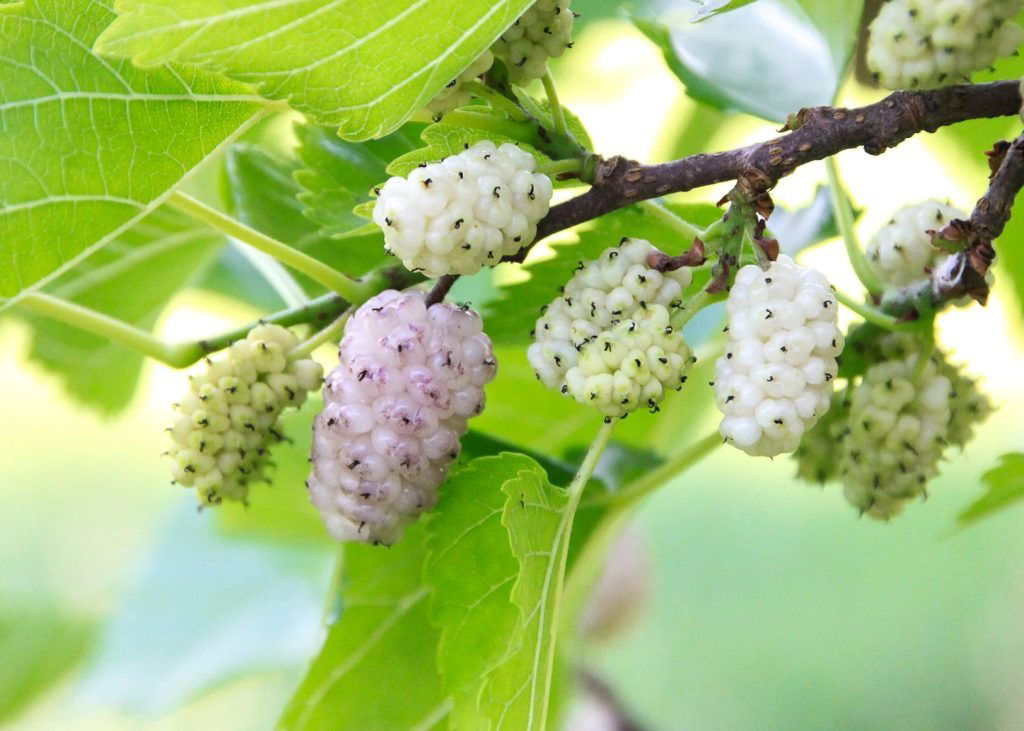
Early studies have found that white mulberry contains resveratrol—a powerful antioxidant also found in red wine.
This compound may help prevent the growth of certain tumors, although further research is still needed to confirm its can.cer-fighting properties.
4. Enhances Immune Function and Reduces Inflammation
Rich in vitamin C and polyphenols, white mulberry helps the body fight off infection and inflammation.
Its antioxidant content helps protect cells from oxidative stress, which is associated with aging and chronic illness.
5. Eases Respiratory Symptoms and Joint Pain
Traditionally, white mulberry tea has been used to treat cold symptoms like coughing, fever, and sore throat
. It has also been used to ease muscle stiffness and joint pain, including symptoms related to arthritis.
6. Aids Digestion
White mulberry is a natural source of fiber, which helps with digestion and gut function.
It’s pectin and organic acids promote healthy bowel movements and may support better absorption of nutrients.
7. Supports Skin and Hair Health
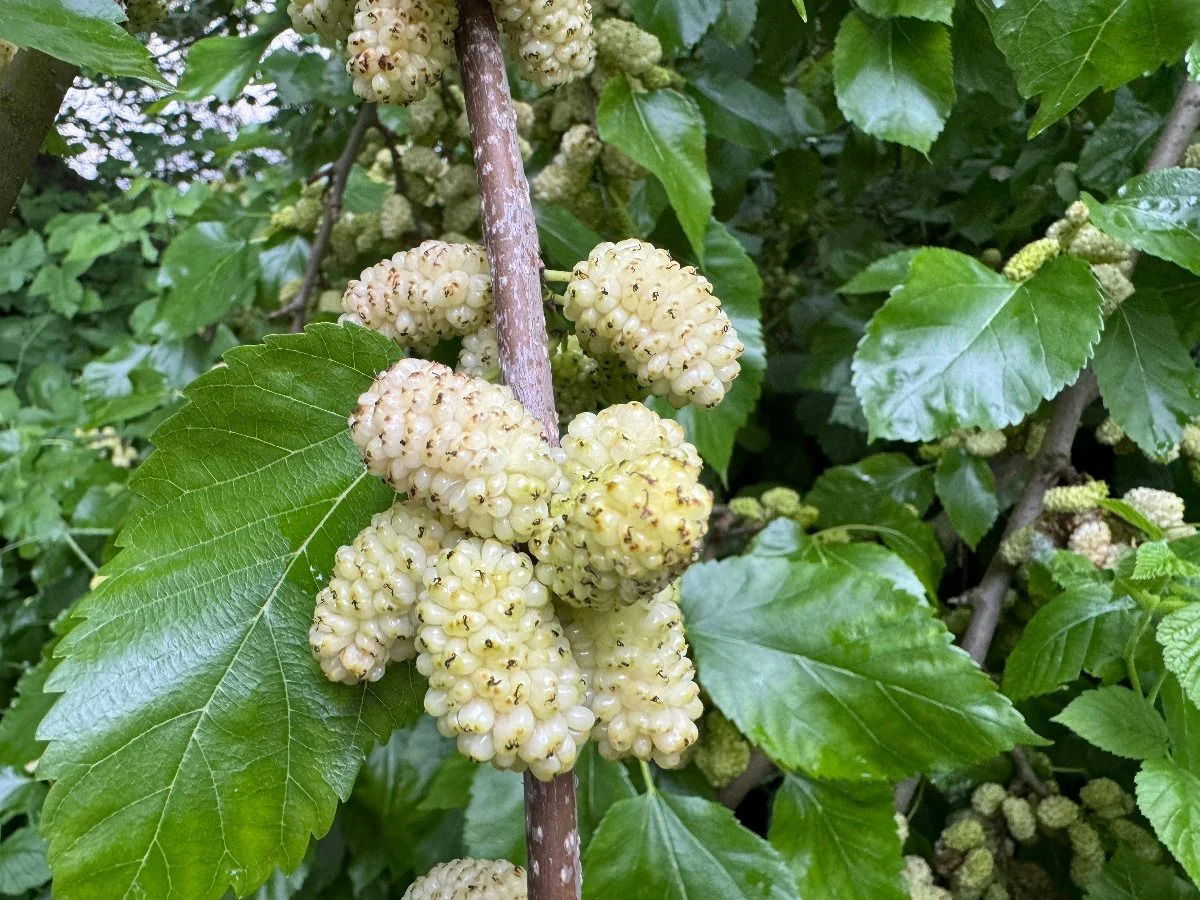
In traditional Chinese medicine, white mulberry is believed to help with issues such as hair loss, dizziness, and ringing in the ears.
Thanks to its antioxidant content, it may also help reduce signs of skin aging and promote scalp health.
Nutritional Highlights
White mulberry leaves and berries contain a range of beneficial nutrients, including:
- Vitamin C for immune defense and tissue repair
- Vitamin B to support energy and brain health
- Fiber and pectin for digestive support
- Polyphenols and flavonoids, which act as antioxidants
- Resveratrol with anti-inflammatory and anti-tumor properties
- Carotene and organic acids for metabolism and skin wellness
What Studies Say
Research supports the use of white mulberry for reducing fasting blood sugar and improving insulin sensitivity.
One study conducted at the University of Texas highlighted the presence of resveratrol in mulberries, linking it to heart protection and potential can.cer-fighting properties.
Other studies also back its cholesterol-lowering and anti-inflammatory effects, although the majority of research focuses on its impact on blood sugar.
Safety Considerations
White mulberry is generally safe when consumed in moderation.
However, people taking medication for diabetes should speak with a healthcare provider, as combining both could lead to excessively low blood sugar.
Pregnant or breastfeeding individuals are advised to avoid high doses, as safety data is limited.
How to Enjoy White Mulberry
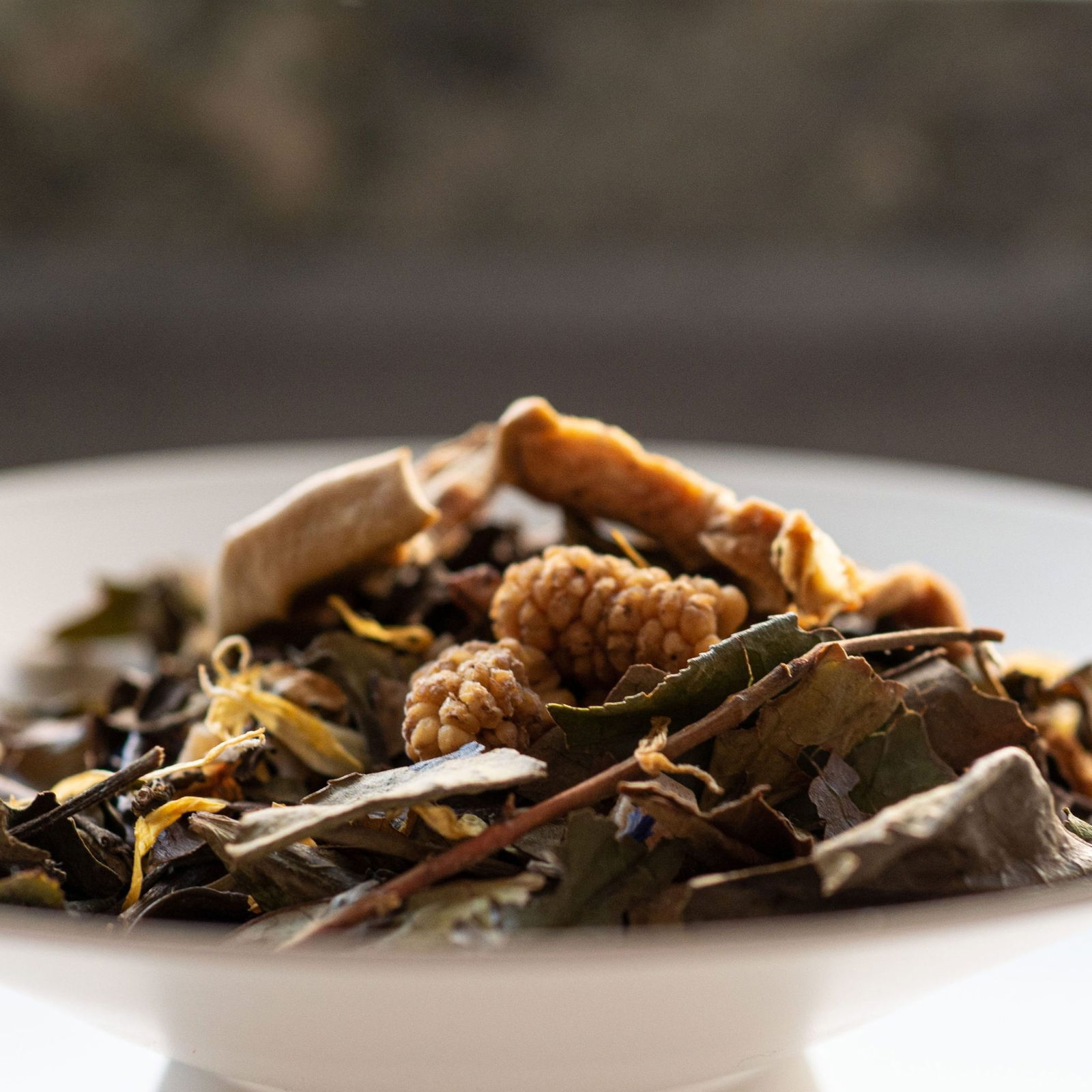
Tea: Brew dried leaves for a calming herbal tea that supports blood sugar and soothes cold symptoms.
Capsules or extracts: Ideal for those looking for a more concentrated dose.
Fresh or dried berries: Add to your breakfast or eat as a snack to get a boost of antioxidants.
Final Thoughts
Though often overlooked, white mulberry is a powerful natural remedy with a long history and growing scientific support. Whether you’re looking to manage blood sugar, boost immunity, or support heart health, adding this plant to your routine may offer meaningful benefits.